When you first start painting with acrylics, there is a steep learning curve in terms of what to do first, techniques to use, and colours to use. It all comes down to personal preference, including whether to paint light or dark colours first.
I believe that most of my paintings begin with a combination of light and dark colours as a foundation, whether it is a sky or a seascape. It depends on what I’m aiming for.
Painting dark to light with acrylics?
If you want a painting with depth and muted highlights, start from dark to light. Because you’re starting with dark colours, your brush will gradually pick them up and blend them into your lighter colours. This is not a bad thing because blending everything well will create a smooth transition, but the end result will be a deeper toned painting.
Painting light to dark with acrylics?
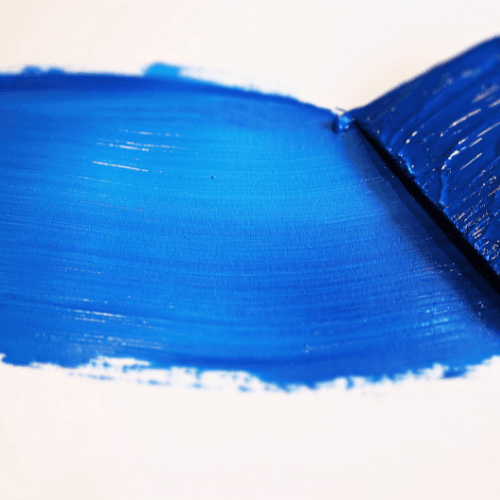
This is a typical method I use when deciding what to paint first. One advantage is that you don’t have to worry about dark paint picking up and mixing in with your lighter colours.
This method keeps the highlights and the finished product bright. If you’re painting a sunny day, for example, you’ll want to blend the whites and yellows into the darker shades.
If you do the opposite and begin blending your darker shades into a yellow or white, for example, the painting will be less bright because the highlights will be muted.

Mid-tones with acrylics?
You might be wondering what a mid-tone is. When painting light to dark or dark to light, this is a simple way to avoid harsh contrast. Mid tones are colours that are neither too dark nor too light, and they are used to create a smooth transition between light and dark tones. Whether you want to paint dark to light or light to dark, these balanced mid tones will make a nice blend.
Assume I want to paint from dark blue to white. A dark blue on one end of the canvas and a white on the other will appear very harsh. However, if I begin by laying down different shades of blue and white in the centre of the canvas and blend them out into the two ends of the canvas, the final piece will have a gradual change in colour and will appear less harsh.

How do you blend colours when painting?
Now that you’ve mastered your technique and colours, it’s time to blend. Acrylics dry quickly most of the time, so a great technique I’ve learned is to have your palette ready with your light, dark, and mid-tones ready to go.
Using a medium-sized brush, apply the colours to the canvas (not blending). So you’ve got your dark, light, and mid tones all laid out on the canvas. Then, using a large flat brush or a mop brush, begin blending things out.
Because you placed all of the colours on the canvas first, they are all ready to blend, making it less likely that you will have any harsh contrasts.
Check out my post for more tips on how to blend acrylic paint smoothly, where I explain some of the things that have helped me when it comes to blending acrylic paint.